The concept of distance running has changed all over the globe but Indian athletics experts and athletes are yet to wake up says Kartik Karkera

Navneet Singh
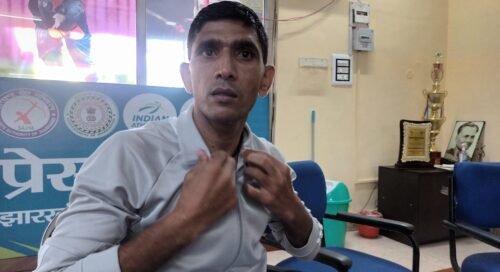
The popular concept of incorporating sports science to improve performance of elite distance runners is hardly applicable in the country, says Maharashtra’s marathon runner Kartik Karkera. “Majority of the leading distance athletes, including elite marathon runners in India aren’t utilising the concept of sports science when chalking out their training plans and recovery system,” explains Karkera.
The orthopedic medical expert-cum-marathon runner says he doesn’t have a team of sports science experts to guide him but he usually does thorough homework to improve his aerobic endurance. “I do research work. I study training patterns of endurance athletes across the globe, including Ironman to incorporate training drills that are applicable to my system,” he reveals. Mumbai marathon
The spotlight was on Karkera when he won the marathon title in the Indian category at the 2026 Mumbai Marathon held earlier this year in January. What was more outstanding was that he took a short break of roughly less than six-week and clipped nearly six minutes of his personal best to win the national marathon title in 2 hours 13 minutes and 10 seconds on the roads of Delhi in February.
Speaking to journalists on the sidelines of function in Gurgaon on Tuesday, the marathon runner says, Delhi race in February was important as it was a qualification event for the 2026 Asian Games in September. Karkera adds. “The Mumbai race was just to gain experience as I hadn’t raced over 42km for more than 12 months.”
Threshold pace
His typical build up for a marathon race is not just weekly mileage of 180km, but once a week a controlled threshold pace over 15km. After each 5km repetition, there is a lactate test to monitor lactic acid in the blood to determine whether he has to slow down in the next 5km repetition or increase his pace. The average pace is 15 minutes for the first 5km. “The second 5km repetition is slightly faster, but it all depends on my lactate test,” the medical expert explains. “I also incorporate strength and mobility training to stay injury free.”
Karkera’s training graph and mileage changes according to the race distance. Currently he plans to race over 10km on the road and track. To prepare for shorter races he prunes down his weekly mileage to 110km. “Only 30 to 40 percent of the total training volume is run at half-marathon pace or faster. The remaining is slow recovery runs.”
His main goal this year is to use all his resources to excel at the Asian Games in September. “The Asian Games will be a good opportunity for me to showcase my potential in marathon,” he says with an air of confidence.
EOM